If you’re running a business with a physical location or serving a specific region or area, local SEO is your secret weapon for getting noticed. It’s all about making sure your business appears when potential customers search for services near them.
Let’s break down some recommended local SEO strategies to help your business climb those rankings and bring in more local customers.
What is local SEO?
Local SEO (Search Engine Optimisation) helps businesses appear in location-based search results. Think of it as a digital roadmap guiding local customers straight to your door. If you’ve ever searched for “best coffee shop near me,” you’ve seen local SEO in action.
Why does local SEO matter?
- Increased visibility: Be seen by customers searching nearby.
- Targeted traffic: Attract the right audience ready to buy.
- Competitive edge: Stand out from other local businesses.
- Higher conversion rates: People searching locally often have stronger intent to purchase.
- Better online reputation: More visibility can lead to more positive reviews.
Now, let’s dive into the strategies you can start using today.
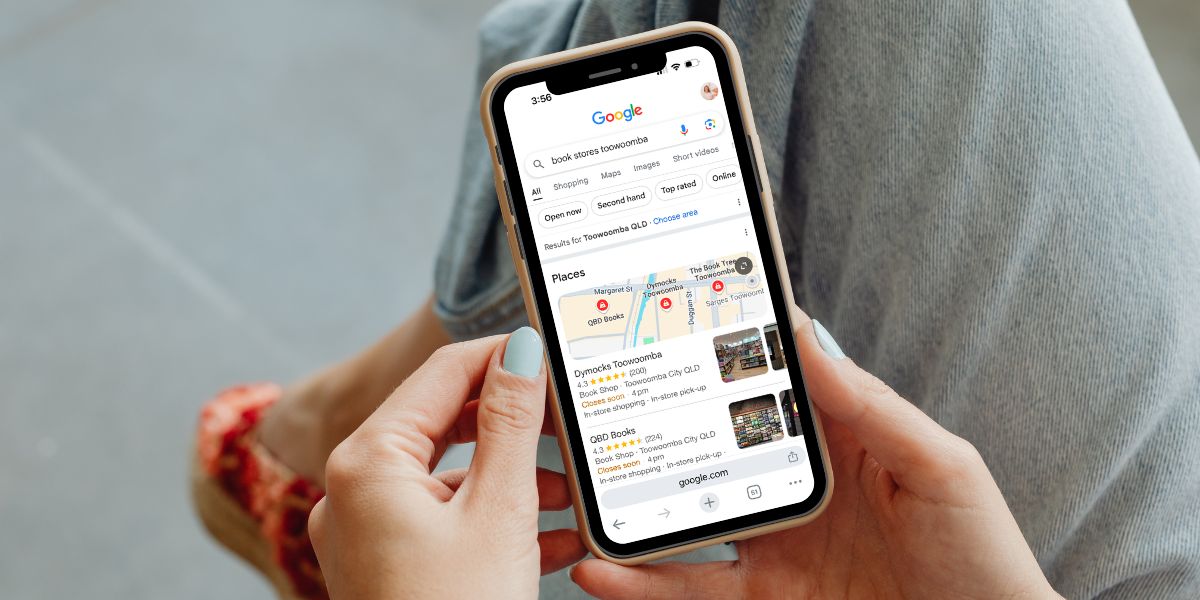
Optimise your Google Business Profile
Google Business Profile (GBP) is your local SEO powerhouse. If you haven’t claimed and optimised yours yet, you’re leaving potential customers (and revenue) on the table.
How to optimise your Google Business Profile
- Claim your listing: Head to Google and search for your business to claim it.
- Complete every section: Add your business name, address, phone number, website, hours, and services.
- Use keywords: Sprinkle relevant keywords like local SEO strategies and optimise for local search naturally in your business description.
- Upload high-quality images: Photos make your listing more engaging.
- Collect reviews: Ask happy customers to leave positive feedback.
- Regular updates: Post business updates, offers, and events to stay active.
Nail your on-page SEO for local success
Your website needs to send all the right signals to search engines. Let’s break it down:
Target local keywords
- Use keywords like local SEO strategies and local business SEO tips.
- Include location-based phrases, e.g., “plumber in Toowoomba.”
- Place keywords naturally in headers, body text, and image alt texts.
Create location-specific pages
- If you serve multiple areas, create separate pages for each location.
- Include details specific to each area (landmarks, services).
Optimise meta titles and descriptions
- Meta Title: Include the main keyword and location (e.g., “Local SEO Strategies for Brisbane Businesses”)
- Meta Description: Keep it under 160 characters with a clear call to action.
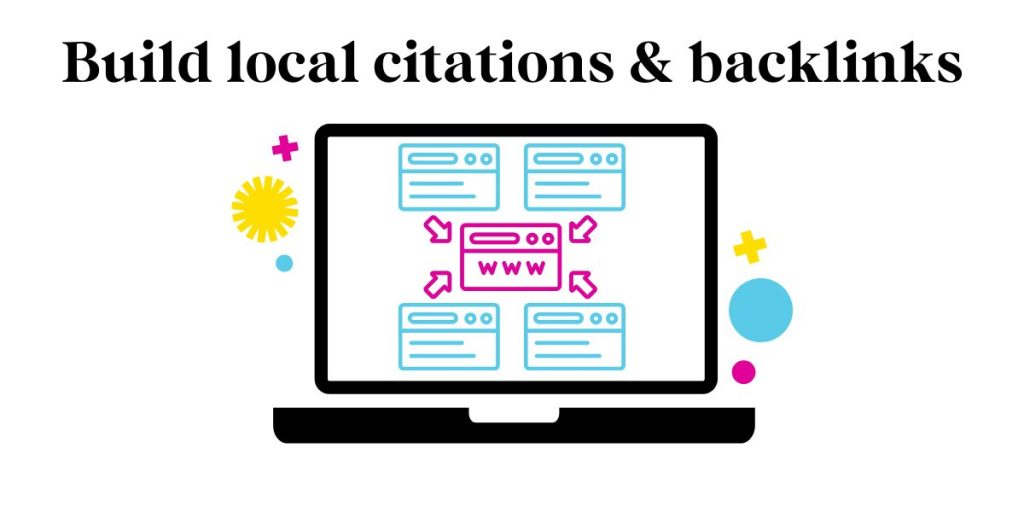
Build local citations and backlinks
Citations and backlinks are digital votes of confidence for your business.
What are citations?
Citations are mentions of your business name, address, and phone number (NAP) on other websites.
Where to build citations
- Local directories (Yellow Pages, TrueLocal)
- Industry-specific sites
- Chamber of Commerce listings
- Review sites like Yelp and TripAdvisor
How to build quality backlinks
- Guest blogging for local sites
- Partnering with other businesses for cross-promotion
- Getting featured in local news articles
- Creating shareable local content
Encourage and manage customer reviews
Reviews play a massive role in local SEO. They build trust and influence rankings.
How to get more reviews
- Ask directly: After a positive experience, request a review.
- Email follow-ups: Send a polite reminder after service.
- QR codes: Display one in your store leading to the review page.
- Incentivise reviews: Offer a small discount or entry into a prize draw.
Respond to reviews (Yes, even the bad ones!)
- Positive reviews: Thank the customer and personalise your response.
- Negative reviews: Stay calm, acknowledge their concern, and offer a solution.
- Neutral reviews: Ask how you can improve their experience.

Mobile optimisation matters
Most local searches happen on mobile devices. If your website isn’t mobile-friendly, you’re missing out.
How to optimise for mobile
- Use responsive design so your site adapts to all screens.
- Ensure fast loading speeds (under 3 seconds is ideal).
- Simplify navigation for easy browsing.
- Compress images for faster loading.
Leverage local content
Content isn’t just for blogs. Creating locally relevant content boosts your authority and visibility.
Local content ideas
- Neighbourhood guides: Write about local events or hidden gems.
- Case studies: Share success stories from local clients/customers.
- News updates: Announce community involvement or sponsorships.
- Interviews: Feature local experts or influencers.
Track your results
SEO isn’t a one-and-done deal. Monitoring your progress helps you tweak and improve your strategy over time.
Tools for tracking local SEO performance
- Google Analytics: Track website traffic and user behaviour.
- Google Search Console: Monitor search performance and indexing.
- Rank tracking tools: Keep tabs on where you rank for local keywords.
- Heatmaps: Understand how visitors interact with your site.

Your local SEO strategy action plan
To recap, here’s your action plan for local SEO success:
- Optimise your Google Business Profile
- Use location-specific keywords on your website
- Build quality citations and backlinks
- Encourage and manage customer reviews
- Ensure your site is mobile-friendly
- Create engaging local content
- Track your results
- Stay consistent and adapt as needed
Ready to climb those rankings and get more local customers through your doors? Implement these local SEO strategies today and watch your business grow.
Need help with implementing the above strategies? Check out our SEO services and see how we can help you improve your search rankings in your local area.